The purpose of this study is to analyze the potential implications of coastal tourism in the southern region of Yogyakarta and to analyze the sustainability of its management based on the four pillars of Sustainable Development Goals (SDGs). There are two findings: first, how coastal tourism objects in the southern region of Yogyakarta benefit the environment and surrounding communities; second, how the life cycle of tourism destinations in the southern region of Yogyakarta. The Jungwok Blue Ocean destination is located right on the coast. The main findings were identified based on direct observation of the Jungwok Blue Ocean destination, interviews, visual documentation, and group discussions. The study used a sustainability approach with a phenomenological paradigm. Qualitative data were processed using SWOT assessment and analysis. The results of the study show that tourist destinations in the coastal area of Gunung Kidul have a significant contribution and impact on coastal tourism development, including increasing the economic value of the surrounding community and local government revenue. The high number of tourist visits during certain seasons causes piles of trash to accumulate at the location. Findings show a negative impact in the form of high environmental vulnerability for tourists, communities, and surrounding destinations. Based on the spider diagram, it is recommended that the government pay attention to environmental risk mitigation factors, collaboration between destination management stakeholders and local governments, synergies with local communities, local entrepreneurs, and communities involved in environmental management and wastewater management. This study is far from perfect due to scientific limitations. This study is far from perfect due to scientific limitations. The researchers hope that other researchers with various fields of expertise will continue this work, including those in the fields of environment, marine science, medicine, and management.

Naskah Drama Teknik Supervisi_HKI Sertifikat


EM_53.3A.05_Kehadiran
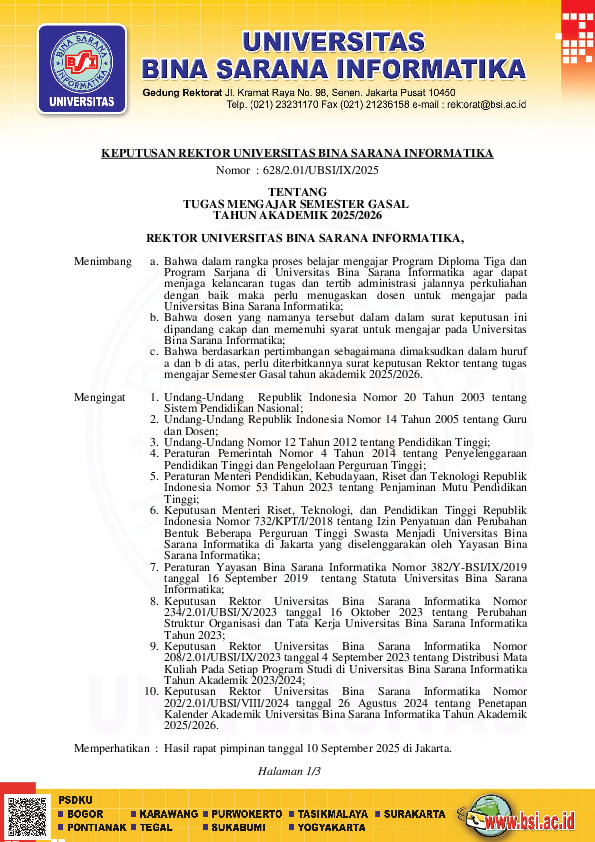
SK. Mengajar BKD Gasal 2526 a.n Donna Ekawaty

MBO_64.4A.04_BAP

BARISTA The Impact of Coastal Tourist Attractions Based on Sustainability Indicators in the Southern Region of Yogyakarta_ST

HKI Naskah Drama Teknik Supervisi_ST

STDev Forum 3_Sertifikat

cover NASKAH DRAMA TEKNIK SUPERVISI
Penanganan_Ikan_Tangkapan_Saat_di_Laut

Klinik Publikasi Penulisan SLR Doktoral Donna Ekawaty sebagai Peserta_Sertifikat
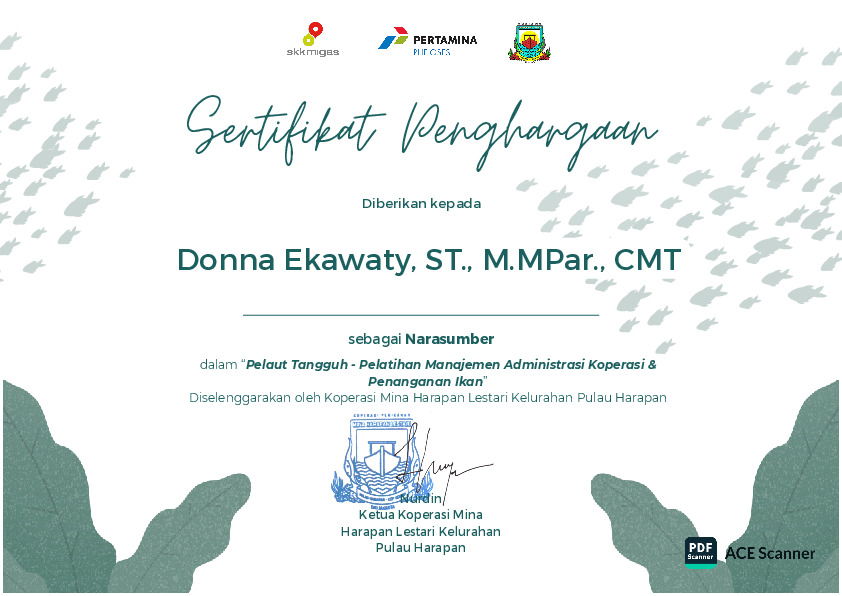
Pulau Harapan_Sertifikat
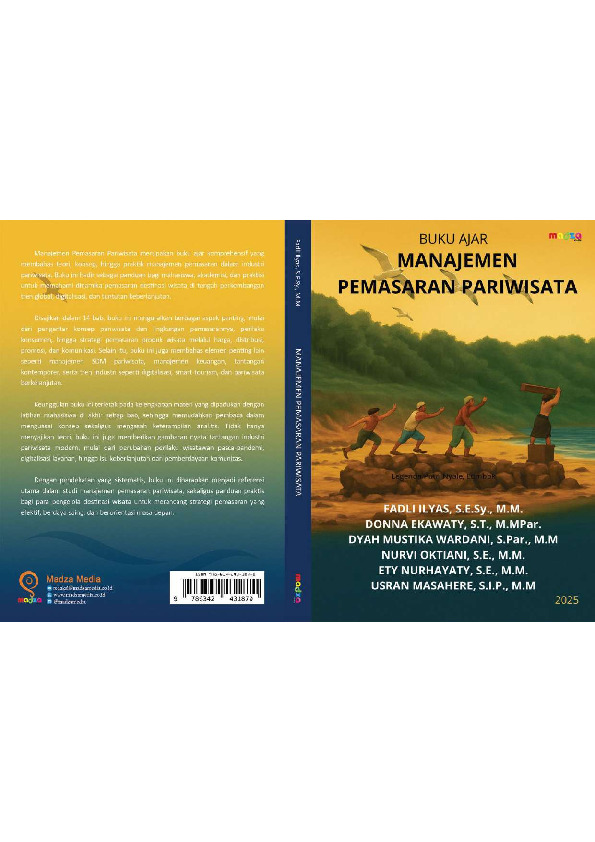
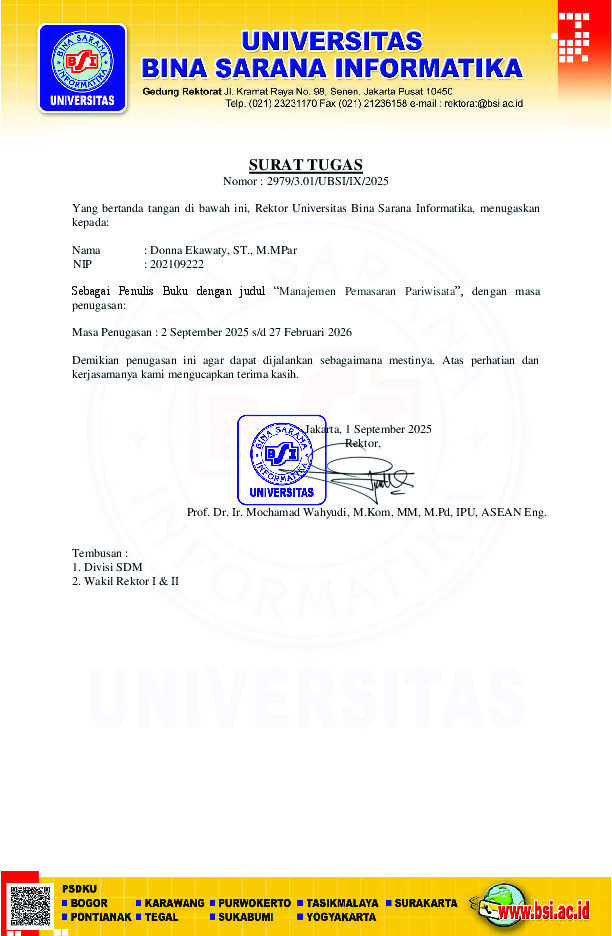
ST Buku MPP Donna

Pulau Harapan_ST
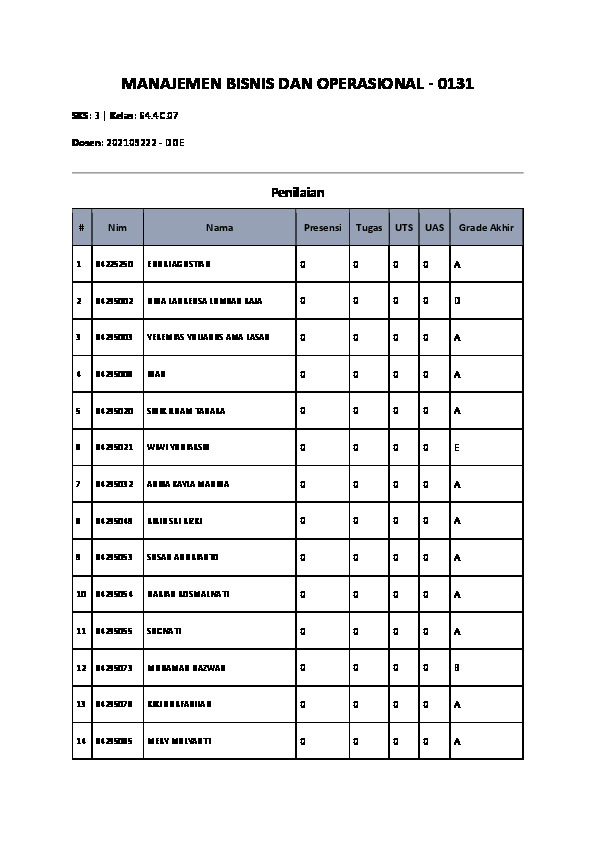
MBO_64.4C.07_Nilai

Transformasi Dosen Menuju LK_ST

EM_53.3A.05_Nilai
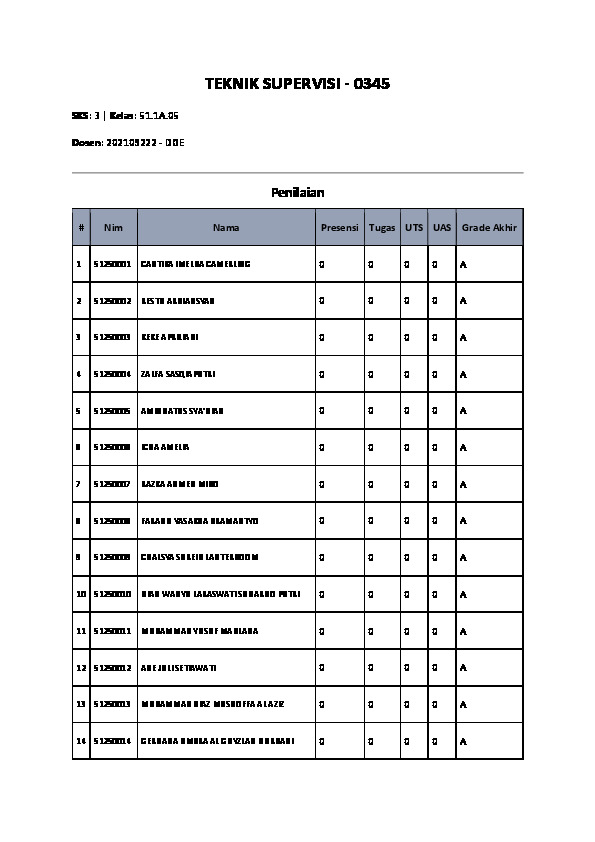
Teknik Supervisi_51.1A.05_Nilai
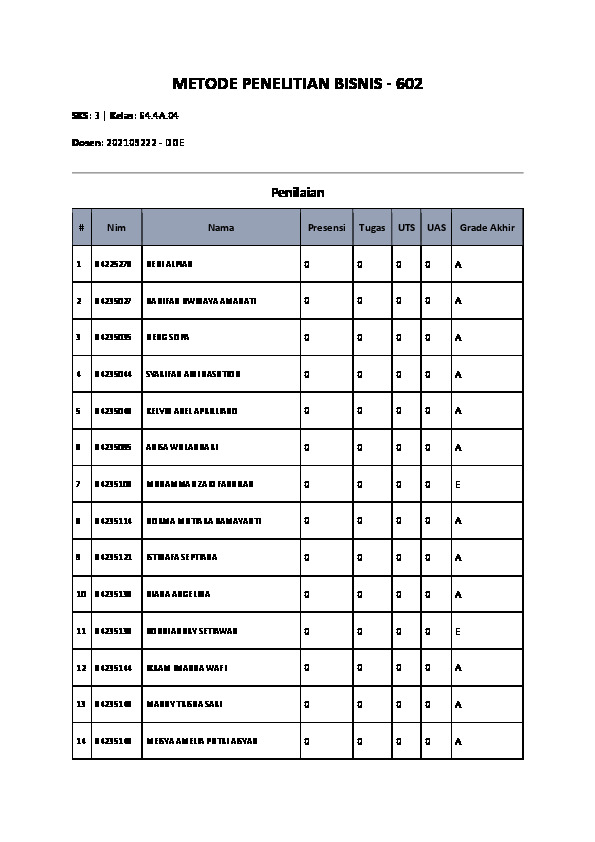
MPB_64.4A.04_Nilai
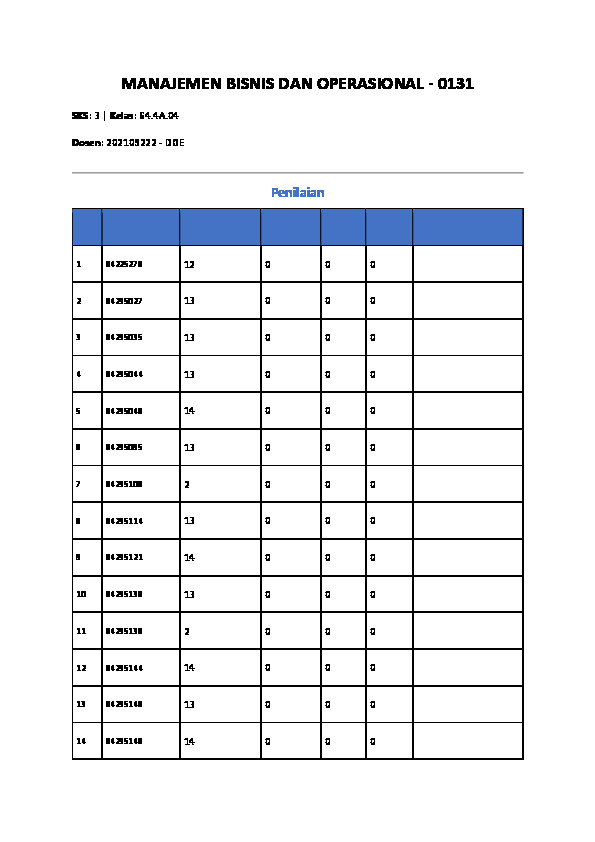
MBO_64.4A.04_Nilai

BARISTA The Impact of Coastal Tourist Attractions Based on Sustainability Indicators in the Southern Region of Yogyakarta

Teknik Supervisi_51.1A.05_ Kehadiran


Sertifikat Narsum PT BKI Donna

Klinik Publikasi Penulisan SLR Doktoral Donna Ekawaty sebagai Peserta_ST

APIK_Sertifikat

STDev Forum 2_Sertifikat


Narsum PT BKI_ST

Juri Entrepreneur Fair_ST

ICTHB2025_proceeding

ICTHB_Presenter_Donna Ekawaty_Sertifikat


ICTHB Author_Sertifikat

MPB_64.4B.05_BAP

Teknik Supervisi_51.1A.05_BAP
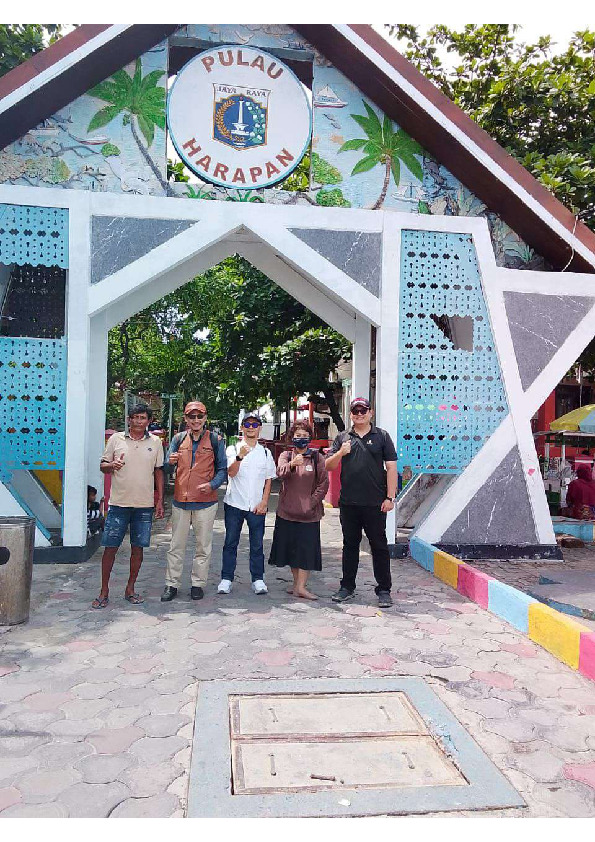
Dokumentasi Foto
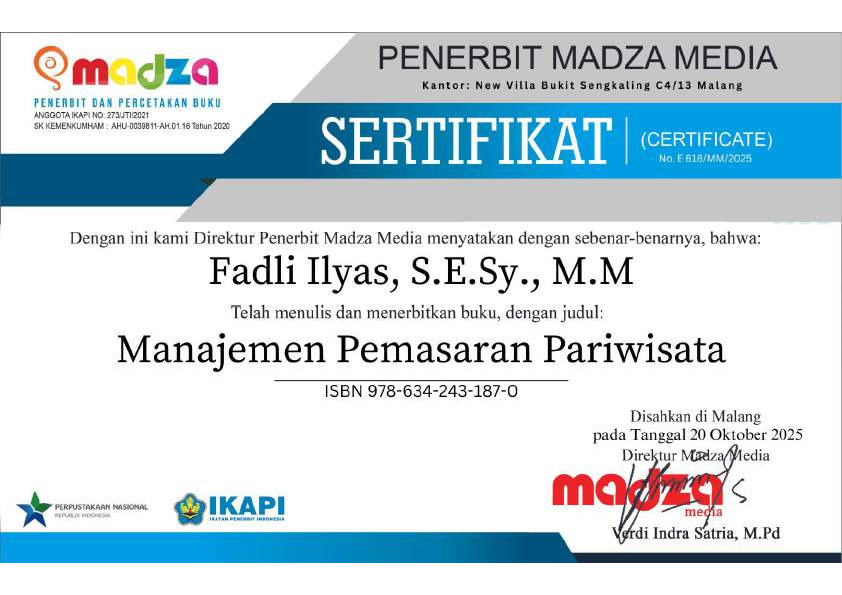
Kelengkapan Buku MPP_Sertifikat

ICTHB Author_Donna Ekawaty_Sertifikat


ICTHB_DON MODEL Presentation

Juri Entrepreneur Fair_Sertifikat

Transformasi Dosen Menuju LK_Serifikat

2319 - LOA BARISTA Vol 12 No 1 2025

MPB_64.4A.04_BAP
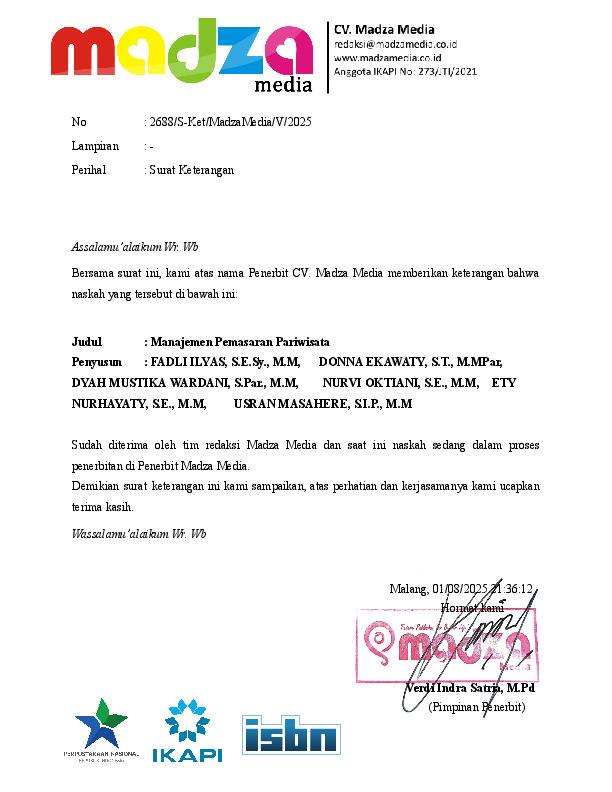
Surat Keterangan Proses Penerbitan Manajemen Pemasaran Pariwisata

STDev Forum 2_ST

WIIA 155_Sertifikat

STDev Forum 3_ST

HKI Hibah Internal_ST

HKI Hibah Internal_Sertfikat HKI

MBO_64.4C.07_BAP

MPB_64.4B.05_Kehadiran

MPB_64.4A.04_Kehadiran

MBO_64.4C.07_Kehadiran

MBO_64.4A.04_Kehadiran
Ahimsa-Putra, H. S. (2009). Paradigma Ilmu Sosial-Budaya (Sebuah Pandangan). Academia Edu, 1–23.
Airawati, M. N., Fauzi, I., & Putranto, A. (2023). Potensi Penerapan Ekonomi Biru Dalam Mendukung Pariwisata Berkelanjutan di Wilayah Pesisir Daerah Istimewa Yogyakarta. Marina Research Journal, 9(2), 165–174. https://doi.org/https://doi.org/10.15578/marina.v9i2.12723
Aisyianita, R. A. (2021). Pengembangan Pariwisata Berkelanjutan di D. I. Yogyakarta Melalui Pendekatan Kewirausahaan Sosial (Sociopreneurship). Media Wisata, 15(2), 608–618. https://doi.org/10.36276/mws.v15i2.114
Alisjahbana, A. S., & Murniningtyas, E. (2018). BERKELANJUTAN DI INDONESIA : (2nd ed.). UNPAD Press. chrome-extension://efaidnbmnnnibpcajpcglclefindmkaj/https://sdgcenter.unpad.ac.id/wp-content/uploads/2020/04/Tujuan-Pembangunan-Berkelanjutan-SDGs-di-Indonesia_compressed.pdf
Anandhyta, A. R., & Kinseng, A. R. (2020). Hubungan Tingkat Partisipasi Masyarakat dalam Pengembangan Wisata Pesisir dengan Tingkat Kesejahteraan. Jurnal Sains Komunikasi Dan Pengembangan Masyarakat [JSKPM], 6(4), 431–444. https://doi.org/10.29244/jskpm.v6i4.1005
Anwar, C. (2016). Internal Control Values For Sustainability Organization (A Phenomenological Study At Pondok Pesantren Tebuireng) [Universitas Brawijaya]. https://doi.org/DES/297.77/ANW/i/2016/061603604
Bandur, A. (2016). Penelitian Kualitatif : Metodologi, Desain, dan Teknik Analisis Data dengan NVIVO 11 Plus (Pertama). Mitra Wacana Media.
Barbier, E. B., & Burgess, J. C. (2017). The sustainable development goals and the systems approach to sustainability. Economics, 11, 1–22. https://doi.org/10.5018/economics-ejournal.ja.2017-28
Butler, R. (2024). Tourism destination development: the tourism area life cycle model. Tourism Geographies, 27(3–4), 599–607. https://doi.org/10.1080/14616688.2024.2325932
Daulay, M. (2010). Filsafat Fenomenologi : Suatu Pengantar. Panjiaswaj Pressa.
Dispar DIY. (2022). Laporan Statistik Pariwisata Daerah Istimewa Yogyakarta 2022. Dinas Pariwisata DIY. https://visitingjogja.jogjaprov.go.id/webdinas/download/statistik-kepariwisataan-diy-tahun-2022/
Farid. (2016). Fenomenologi : Dalam Penelitian Ilmu Sosial. Prenada Media Group.
Haryanto, J. T. (2014). Model Pengembangan Ekowisata Dalam Mendukung Kemandirian Ekonomi Daerah Studi Kasus Provinsi Diy. Jurnal Kawistara, 4(3), 271–286. https://doi.org/10.22146/kawistara.6383
Marwahid, H. (2022). Membangun Kembali Pariwisata Yogyakarta: Strategi Dan Upaya Pemerintah Melalui Badan Tourisme (BATOUR) 1954-1959. Jurnal Penelitian Sejarah Dan Budaya, 8(1), 47–60. https://doi.org/https://doi.org/10.36424/jpsb.v8i1.309
Miller, G., & Torres-Delgado, A. (2023). Measuring sustainable tourism: a state of the art review of sustainable tourism indicators. Journal of Sustainable Tourism, 31(6), 1–14. https://doi.org/10.1080/09669582.2023.2213859
Mishra, M., Desul, S., Santos, C. A. G., Mishra, S. K., Kamal, A. H. M., Goswami, S., Kalumba, A. M., Biswal, R., da Silva, R. M., dos Santos, C. A. C., & Baral, K. (2024). A bibliometric analysis of sustainable development goals (SDGs): a review of progress, challenges, and opportunities. In Environment, Development and Sustainability (Vol. 26, Issue 5). Springer Netherlands. https://doi.org/10.1007/s10668-023-03225-w
Murtopo, H. P., & Herlitah. (2025). Metode Penelitian Fenomenologi : Teori, Prosedur, dan Study Kasus Disertasi (1st ed.). CV Literasi Nusantara Abadi.
Nations, U. (2015). Transforming our world: The 2030 agenda for sustainable development. ICLEI. https://talkofthecities.iclei.org/ambitious-pioneers-needed-for-2030-agenda-for-sustainable-development/?gad_source=1&gad_campaignid=12345188790&gbraid=0AAAAACOgMuHHVUBbYEaWSKSOMHB1WV7jW&gclid=Cj0KCQjwxL7GBhDXARIsAGOcmINQ6nox3mYMAOcr-W7xmZd68XgKKqfYMYD7h2
Pizzi, S., Caputo, A., Corvino, A., & Venturelli, A. (2020). Management research and the UN sustainable development goals (SDGs): A bibliometric investigation and systematic review. Journal of Cleaner Production, 276(December), 4–9. https://doi.org/10.1016/j.jclepro.2020.124033
Pradhan, P., Costa, L., Rybski, D., Lucht, W., & Kropp, J. P. (2017). A Systematic Study of Sustainable Development Goal (SDG) Interactions. Earth’s Future, 5(11), 1169–1179. https://doi.org/10.1002/2017EF000632
Renaldi, D., & Murdianto. (2022). Hubungan Tingkat Partisipasi Masyarakat dalam Pengembangan Wisata Pesisir dengan Tingkat Kesejahteraan.pdf. Jurnal Sains Komunikasi Dan Pengembangan Masyarakat, 6(4), 431–444. https://doi.org/https://doi.org/10.29244/jskpm.v6i4.1005
Rokhamah, R., Yana, P. R., Hernadi, N. A., Rachmawati, F., Irwanto, I., Dey, N. P. H., Purwanti, E. W., Noviana, R., Bawono, Y., Rianto, R., Masruha, M., Kosasih, K., Mola, M. S. R., Djumaty, B. L., & Putra, G. K. (2024). METODE PENELITIAN KUALITATIF (TEORI, METODE DAN PRAKTIK). CV WIDINA MEDIA UTAMA. https://repository.penerbitwidina.com/id/publications/568101/metode-penelitian-kualitatif-teori-metode-dan-praktik#cite
Rubiyatno, R., Kurniawati, L., & Pranatasari, F. D. (2023). Pengembangan Strategi Pariwisata Berkelanjutan Desa Wisata Di Yogyakarta Melalui Analisis Swot (Matriks Kuadran Swot Dan Efas &Ifas). JMBI UNSRAT (Jurnal Ilmiah Manajemen Bisnis Dan Inovasi Universitas Sam Ratulangi)., 10(3), 2218–2133. https://doi.org/10.35794/jmbi.v10i3.52151
UNWTO. (2005). Tourism and Quality of Life: A Pathway to Sustainable Development. Unwto. https://www.unwto.org/sustainable-development
UNWTO. (2018). Tourism and sustainable development goals. The 2030 Journey. https://tourism4sdgs.org/
UNWTO, & JICA. (2023). TOURISM AND SDG 12 RESPONSIBLE. World Tourism Organization. https://www.e-unwto.org/doi/10.18111/9789284424344
Yuwono, N. (2025). Perspektif Pariwisata Berkelanjutan : wisata pesisir daerah gunung kidul.